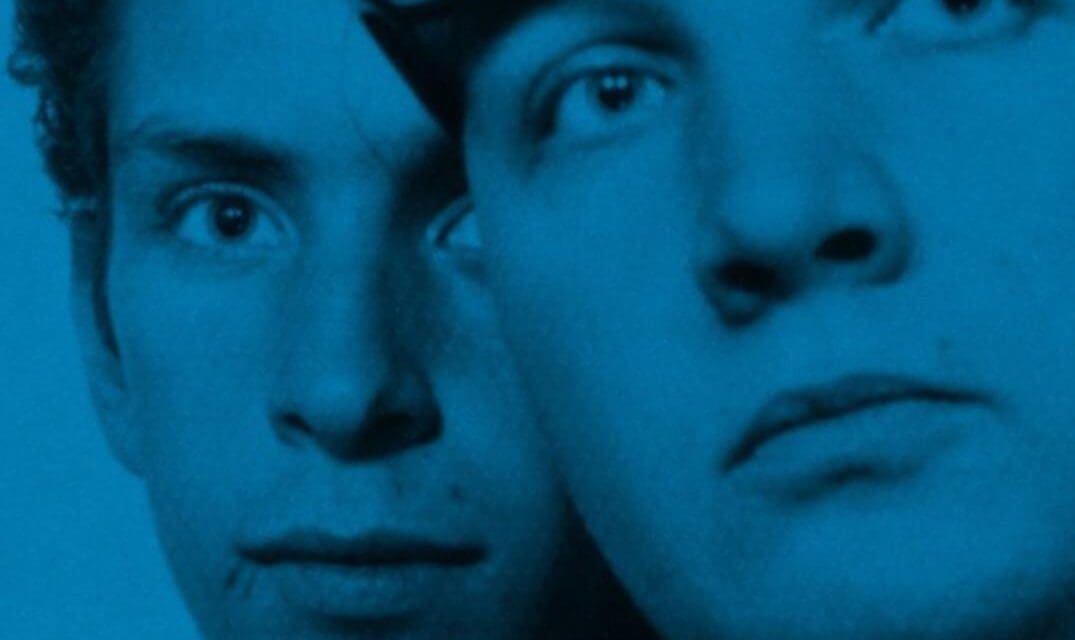
To coincide with Scarborough Film Festival 2025, there will be a showing of “Dead Mint” at the Stephen Joseph Theatre on Friday March 21st, followed by a gig at The Railway Club in Scarborough. The film tells the story of legendary Scarborough band, Grandads Don’t Indicate, consisting initially of the pairing of Denis Copeland and Steve Adams. Steve sadly passed away in 2021, before the film was released in 2022.
Charles Kirby had the pleasure of interviewing Denis Copeland on behalf of Yorkshire Coast Gigs, to learn more about the band, the film, and more.
CK: How did the film come to be? Can you tell us anything about the process?
DC: It was an idea Bill Bartlett had! Bill is a sound recordist by trade and wanted to make a film, high quality but DIY and low/no budget. He loved the Grandads and knew I had an archive of everything we had ever done which was a rich resource, and quite unusual for bands from that era to still have.
Steve wasn’t ill when we made the film and Covid robbed us of the opportunity to play again and watch the film together, which still hurts. The process was great as we were all learning. Much fun was had, it was great to be in Scarborough again with Stevie, going round the old haunts. It was a perfect Grandads day out, the Chopper was a chance happening and the owner letting me ride around the foreshore on it was the sort of thing that would happen to us. We could talk our way into almost anything!
CK: In terms of performance and nerves in the beginning – just yourself and Steve at Stage Door* – did the band still experience nerves once you’d found that if anything went wrong you could make light of it as part of the show?
DC: Yes and no! In some respects, it meant you could get away with anything, but the risks became higher as the shows became more complex, like on-stage cooking. I don’t recall being super nervous after the first couple of shows.
CK: Can you share any stand out moments? Either elaborating on gigs mentioned in the film or those that didn’t make the cut?
DC: The chainsaw incident has to be a favourite. One of the things we found when we took the show out of Yorkshire, was that you had to work harder with the audience as they had no idea where Peasholm Park was, or what the mini railway looked like. To combat this, I remember we had a stock of postcards we used to pass around the room!
Another was playing a festival in Ulverston town centre, where locals came out and waved spades at us in a menacing way during soundcheck. We played on the back of a lorry and I remember a parade of small children jumping off the back of the lorry whilst we played Valley Bridge, a song about suicide, and fireworks being set off by an Elvis impersonator whilst I was playing stylophone in Gadgets! I think that was one of the craziest days!
CK: The songs “Mini Railway” and “Peasholm Park” remind me of radio and cinema jingles. Was this intentional or do you think it was influenced by your early record collection and the bands’ humour?
DC: We were obsessed with radio jingles, tv adverts and the desire to make something short and catchy. I recall in particular when we wrote Ayrton Senna about the boy racers in Scarborough, the plan was to make the verse as short as possible to get to the chorus as quickly as we could. We were also brought up in the era of Trumpton and Camberwick Green and most kids tv from that era had very catchy short songs and thinking about it now, we were more likely influenced by that than our record collections.
CK: In this spirit – where do you think yourself and Steve’s humour came from?
DC: Well we met at Graham School and did drama together there, so I reckon that is the start of it all. We were obsessed with the Chuckle Brothers, Trevor and Simon etc, and had been brought up on all of the Seaside Specials and summer turns at The Futurist etc. I remember my Dad taking me to see Basil Brush, Orville, Nookie Bear etc. We were surrounded by humour at the seaside.
CK: Other favorites of mine include “Crap 70’s Gadgets” and “Corner Cafe” . The inspiration for them lyrically is obvious. Could you share any musical influences behind these tracks?
DC: I’m afraid not! The only thing I can remember about Corner Cafe is that I would class that as a turning point in the writing. This one told more of a story and had a ‘proper’, more traditional structure, and I think showed we were evolving. This was round about when we became a full band too.
CK: Out of all the makeshift instruments you used to bring to your sets, what were your favorites?
DC: I think the £8 guitar, the Eamon Cluckenbucker that had massive potential to feed back, plus stylophone played through as many guitar pedals as possible!
CK:What did Gas mark 8 sound like?
DC: A pan of rice boiling over.
CK: As an artist myself, I appreciate how important it is to have venues that support bands and music of all kinds. I know the Stage Door played a big part in the bands’ career. Do you have anything you’d like to say to new or current venues in terms of the community they can help to build and the vitality it can bring to art and music?
DC: I think it is vital that independent music venues allow creative freedom and support local acts. Each needs each other and therefore one won’t succeed without the other. What Paul and Gill (Toole) created at the Stage Door was nothing short of legendary, it has created life-long friendships, music and art that would never have happened without them or The Stage Door. That was life defining for me and Stevie.
CK: I’m sure there were many “happy accidents” during gigs. Such as tuning or drum patch mishaps. Did anything like this happen (I know you’d ask the crowd to pick patch numbers) and if so did any of it influence future songs or recordings?
DC: I don’t think it influenced future songs, but it did encourage us to allow other people of all abilities to join us…planning a couple of suprise guests for next week, including someone I have only met once!
CK: How aware are you of Graham Watson, the band supporting Grandads Don’t Indicate at the gig after the film showing? I know them well and after speaking to the members it’s clear that the group’s approach and energy is very much inspired by the film. Do you have any thoughts or feelings to share on this matter?
DC: I think we have done our job well if we have influenced others to start their own mad-cap bands! I always remember Mike Watt of the Minutemen encouraging people to “start your own band”. I would encourage anyone to do this. Creating music/art from thin air and subjecting it on others is a great life skill, full of teamwork, highs and lows, and should be encouraged!
—————————————–
Information and Links:
Tickets for the film can be bought from The Stephen Joseph Theatre website and of course at the box office in person or by phone:
(01723) 370541
Railway Club Gig information:
Featuring Grandads Don’t Indicate, Graham Watson, and Orchard.
To take place after the film showing. Those who have a cinema ticket can gain entry. ALSO! If you’re unable to buy a cinema ticket, you can provide a donation on the door; donations are in aid of McMillan Cancer Support.
Partaking in fancy dress and bringing ‘crap gadgets’ is encouraged. HOWEVER, chainsaws will not be permitted!
Listen and purchase digital formats of The Grandads’ music from the film, remastered from analogue tape by Bill Bartlett by clicking here.
There will be a review and photos to follow this article. It will cover the film and gig!
* The Stage Door will be remembered by many as a truly great live music venues in Scarborough in the eighties and nineties. Much missed, as is the late Paul Toole who ran it with wife Gill, before later running the record shop, Record Revivals.